
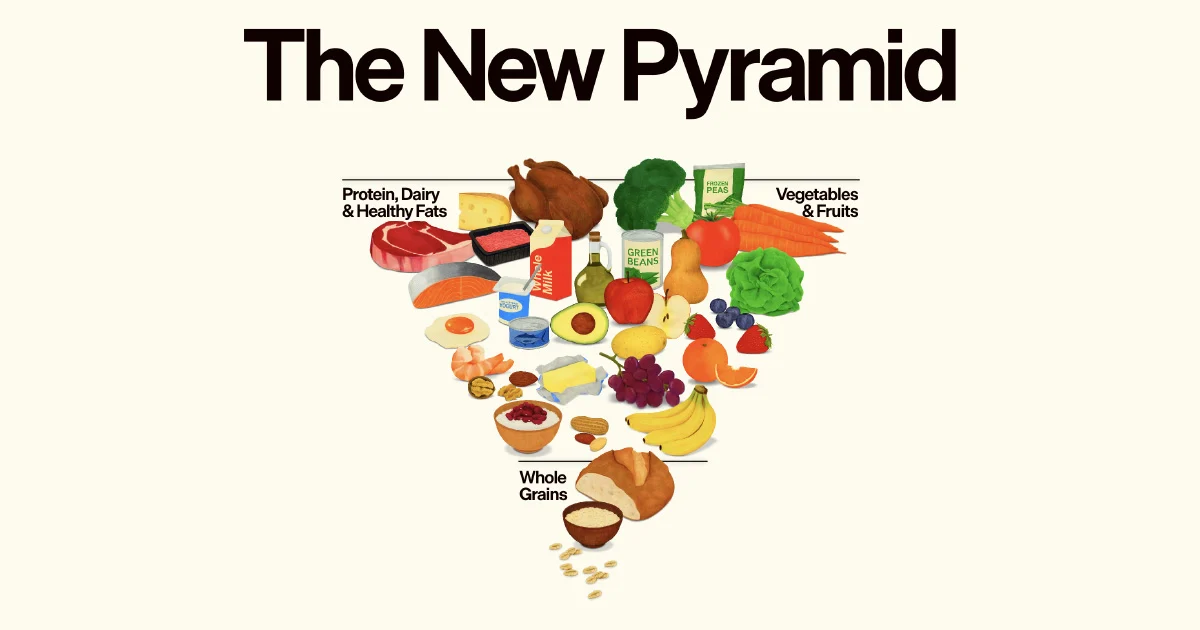
The Foundation of Wellness Through Nutrition
The journey toward a healthy lifestyle begins not with restriction and deprivation but with abundance and nourishment, a fundamental shift in perspective that transforms how we relate to the food that sustains us. Every bite we take represents an opportunity to provide our bodies with the building blocks they need to function optimally, from the energy that powers our daily activities to the micronutrients that support every biochemical process occurring within us. The concept of “healthy food” has been complicated by marketing claims, conflicting research, and the endless cycle of dietary trends that promise transformation but deliver confusion. Beneath this noise, however, lies a remarkable consensus about the foods that consistently support human health across populations, cultures, and individual differences. These foods share common characteristics: they are minimally processed, rich in nutrients relative to their calorie content, and have stood the test of time in traditional diets around the world. Building a healthy lifestyle around these foundational foods doesn’t require perfection or elimination of all treats, but rather a pattern of eating that consistently provides what the body needs while leaving room for the flexibility that makes healthy eating sustainable over decades. This guide explores the foods that deserve a place in any healthy eating pattern, organized by category and supported by the science of nutrition, while emphasizing that the best diet is one that you can maintain with pleasure and without obsession.
Leafy Greens and Cruciferous Vegetables
The category of vegetables stands alone in its importance to human health, providing an unmatched combination of nutrients, fiber, and bioactive compounds that support virtually every system in the body. Dark leafy greens including spinach, kale, collard greens, and Swiss chard deliver concentrated amounts of vitamins A, C, and K, along with minerals like iron, calcium, and magnesium that many diets lack. These greens also provide nitrates that support healthy blood flow and blood pressure, contributing to cardiovascular health in ways that extend beyond their vitamin content. Cruciferous vegetables such as broccoli, cauliflower, Brussels sprouts, cabbage, and bok choy contain sulfur-containing compounds called glucosinolates that have been extensively studied for their cancer-protective properties. These vegetables support the liver’s detoxification pathways, helping the body process and eliminate compounds that could otherwise cause cellular damage over time. The fiber in all vegetables feeds beneficial gut bacteria, promoting a healthy microbiome that influences everything from immune function to mood regulation. Eating a variety of colorful vegetables ensures exposure to the full range of phytonutrients that plants produce, each with unique benefits that work synergistically in the body. The goal of filling half your plate with vegetables at meals, a recommendation common to many dietary guidelines, automatically increases nutrient density while reducing the calorie density of meals, supporting healthy weight maintenance without complicated tracking or restriction.
Berries and Other Fruits for Antioxidant Protection
Fruits provide natural sweetness along with powerful antioxidants that protect cells from the oxidative damage associated with aging and chronic disease development. Berries stand out among fruits for their exceptional antioxidant content, with blueberries, strawberries, raspberries, and blackberries delivering high concentrations of anthocyanins that give them their deep colors. These compounds have been linked to improved brain function, reduced inflammation, and better blood sugar regulation, making berries a particularly valuable addition to any eating pattern. Citrus fruits including oranges, grapefruits, lemons, and limes provide abundant vitamin C, essential for immune function, collagen production, and the absorption of iron from plant foods. The flavonoids in citrus work alongside vitamin C to provide antioxidant and anti-inflammatory effects that extend beyond what either nutrient provides alone. Apples and pears, often overlooked in favor of more exotic options, provide pectin fiber that supports digestive health and helps maintain stable blood sugar levels. The polyphenols in apple skins contribute to heart health and may reduce the risk of certain cancers. Bananas offer convenient energy along with potassium that supports healthy blood pressure and muscle function, making them particularly valuable for active individuals. The key to fruit consumption is variety and moderation, enjoying the natural sweetness of whole fruits while being mindful that dried fruits and fruit juices concentrate sugar and calories without the beneficial fiber of whole fruits.
Whole Grains for Sustained Energy and Digestive Health
The category of grains has been subject to considerable controversy in recent years, but the distinction between refined and whole grains explains most of the confusion and guides wise choices. Whole grains retain all parts of the original kernel, including the fiber-rich bran, nutrient-dense germ, and starchy endosperm, providing a complete package of carbohydrates, fiber, vitamins, minerals, and phytonutrients. Oats in their various forms deliver beta-glucan, a soluble fiber that has been extensively studied for its cholesterol-lowering effects and its ability to stabilize blood sugar levels. A bowl of oatmeal made from whole oats provides sustained energy that carries through morning activities without the blood sugar crash that follows refined breakfast cereals. Brown rice retains the bran and germ that white rice removes, providing more fiber, magnesium, and B vitamins while having a lower glycemic impact that supports stable energy. Quinoa, technically a seed but used as a grain, stands out for its complete protein profile, containing all essential amino acids in proportions that support human health. Farro, barley, buckwheat, and millet offer additional variety, each bringing unique nutrient profiles and textures that prevent whole grain boredom. The fiber in whole grains feeds beneficial gut bacteria, producing short-chain fatty acids that support colon health and may reduce inflammation throughout the body. Replacing refined grains with whole grains represents one of the simplest and most effective dietary changes for improving health, with research consistently linking whole grain consumption to reduced risk of heart disease, type 2 diabetes, and certain cancers.
Legumes as Nutritional Powerhouses
Beans, lentils, chickpeas, and peas represent some of the most nutrient-dense foods available, combining protein, fiber, complex carbohydrates, and an array of vitamins and minerals in packages that are both affordable and versatile. The protein content of legumes makes them valuable alternatives to meat, providing sustained energy without the saturated fat that accompanies many animal protein sources. When combined with grains throughout the day, legumes provide complete protein profiles that support muscle maintenance and overall health. The fiber in legumes deserves special attention, as it includes both soluble and insoluble types that support digestive health, feed beneficial gut bacteria, and help maintain stable blood sugar levels by slowing carbohydrate absorption. Regular legume consumption has been consistently associated with lower rates of heart disease, likely due to their combination of fiber, folate, magnesium, and potassium working together to support cardiovascular function. Lentils cook relatively quickly without soaking, making them convenient for weeknight meals, while dried beans require more planning but reward with superior texture and flavor. Canned beans provide convenience without significant nutrient loss, though choosing low-sodium options or rinsing canned beans reduces sodium content substantially. The isoflavones in soybeans and soy products have been extensively studied, with research suggesting benefits for heart health and potentially reduced risk of certain cancers. Incorporating legumes into regular eating patterns, whether through bean-based soups, lentil salads, hummus, or chili, increases nutrient density while supporting sustainable eating patterns that benefit both personal and planetary health.
Healthy Fats from Plants and Fish
The role of dietary fat in health has undergone significant revision in recent decades, with recognition that the type of fat consumed matters far more than the total amount. Unsaturated fats from plant sources and fish provide essential fatty acids that the body cannot produce, support cell membrane function, and aid in the absorption of fat-soluble vitamins. Extra virgin olive oil, a cornerstone of the Mediterranean diet, provides monounsaturated fats along with polyphenols that have anti-inflammatory and antioxidant effects. Using olive oil as the primary cooking fat and in salad dressings provides these benefits while adding flavor that makes vegetables and grains more appealing. Avocados deliver monounsaturated fats along with fiber, potassium, and numerous vitamins, making them uniquely nutritious among fruits. The creamy texture of avocado makes it a satisfying addition to meals and a nutritious replacement for less healthy fats in many applications. Nuts and seeds, including almonds, walnuts, flaxseeds, chia seeds, and hemp seeds, provide healthy fats along with protein, fiber, and minerals. Walnuts deserve special mention for their alpha-linolenic acid content, a plant-based omega-3 fatty acid that supports heart and brain health. Fatty fish such as salmon, mackerel, sardines, and trout provide the long-chain omega-3 fatty acids EPA and DHA that are difficult to obtain from plant sources and that play critical roles in brain function, inflammation regulation, and cardiovascular health. The recommendation to include fatty fish twice weekly reflects the strength of evidence supporting these benefits. Balancing fat sources by emphasizing unsaturated options while limiting saturated and trans fats supports health without requiring extreme low-fat approaches that often prove unsustainable.
Lean Proteins for Structure and Function
Protein provides the amino acids that serve as building blocks for every structure in the body, from muscle and bone to enzymes and hormones, making adequate intake essential for health at all ages. The quality of protein sources matters alongside quantity, with whole food sources providing protein within a matrix of other beneficial nutrients. Poultry, particularly skinless chicken and turkey breast, provides high-quality lean protein that can be prepared in countless ways to suit various cuisines and preferences. Choosing pasture-raised or organic poultry when possible and affordable may provide additional nutritional benefits and aligns with preferences about animal welfare. Eggs deserve their reputation as nutritional powerhouses, providing complete protein along with choline for brain health, lutein and zeaxanthin for eye health, and numerous vitamins in the yolk. The controversy over egg cholesterol has largely resolved with recognition that dietary cholesterol has minimal impact on blood cholesterol for most people, allowing eggs to reclaim their place as a valuable protein source. Dairy products including Greek yogurt, cottage cheese, and milk provide protein along with calcium and vitamin D that support bone health. Fermented dairy options like yogurt and kefir add probiotics that support digestive health, extending benefits beyond basic nutrition. Plant-based protein sources including tofu, tempeh, edamame, and seitan provide options for those reducing animal product consumption, with the fermentation of tempeh potentially increasing nutrient availability. The pattern of protein consumption across the day matters, with research suggesting that distributing protein intake evenly across meals supports better muscle maintenance than loading protein at a single meal. This finding supports the practice of including protein sources at breakfast, lunch, and dinner rather than relying on a large dinner to meet daily needs.
Fermented Foods for Gut Health
The recognition that gut health influences virtually every aspect of human health has elevated fermented foods from traditional curiosities to recognized nutritional essentials. Yogurt made from quality milk with live active cultures provides beneficial bacteria that can colonize the gut, along with protein and calcium that support overall nutrition. Choosing plain yogurt and adding your own fruit avoids the excessive sugar found in many flavored options, preserving the health benefits while controlling sweetness. Kefir, a fermented milk drink with a broader range of bacteria and yeasts than yogurt, provides even greater microbial diversity that may offer additional digestive benefits. Sauerkraut and kimchi, fermented cabbage dishes from German and Korean cuisines respectively, deliver beneficial bacteria along with the fiber and phytonutrients of cabbage. Choosing unpasteurized versions ensures that live bacteria remain, as pasteurization kills the beneficial organisms along with any harmful ones. Kombucha, a fermented tea beverage, provides a different set of microbes along with organic acids that may support digestive health. Miso and tempeh, fermented soybean products from Japanese and Indonesian traditions, combine the benefits of fermentation with the protein and isoflavones of soybeans. The regular consumption of fermented foods has been associated with reduced inflammation, improved immune function, and better digestive health, benefits that likely stem from the combined effects of live microbes and the bioactive compounds produced during fermentation. Including a variety of fermented foods in regular eating patterns supports microbial diversity, which research increasingly links to better health outcomes across multiple domains.
Herbs, Spices, and Flavor Without Excess Sodium
The judicious use of herbs and spices transforms healthy eating from obligation to pleasure while providing concentrated sources of antioxidants and anti-inflammatory compounds. Turmeric, the bright yellow spice common in Indian cuisine, contains curcumin, a compound with potent anti-inflammatory effects that has been extensively studied for its potential to reduce chronic disease risk. Combining turmeric with black pepper dramatically increases curcumin absorption, demonstrating the wisdom of traditional spice combinations. Ginger provides anti-inflammatory and anti-nausea benefits along with a distinctive flavor that works in both sweet and savory applications. Fresh ginger can be steeped as tea, grated into stir-fries, or added to smoothies for both flavor and function. Garlic and onions, while often considered vegetables, function as flavor foundations while providing sulfur compounds with cardiovascular and immune benefits. Using these liberally in cooking reduces reliance on salt for flavor while adding nutritional value. Cinnamon has been shown to help stabilize blood sugar levels, making it particularly valuable for those managing diabetes or insulin resistance. Sprinkling cinnamon on oatmeal, coffee, or fruit provides flavor while potentially offering metabolic benefits. Hot peppers and chili flakes provide capsaicin, which may boost metabolism slightly while adding heat that satisfies without calories. The variety of herbs including oregano, rosemary, thyme, basil, and cilantro provides antioxidants along with flavor that makes vegetable-heavy meals more appealing. Developing the habit of seasoning with herbs and spices rather than relying on salt and sugar transforms the nutritional profile of meals while expanding culinary enjoyment.
Water as the Essential Nutrient
No discussion of healthy foods would be complete without acknowledging water as perhaps the most essential nutrient of all, required for every physiological process and often overlooked in nutrition guidance. Water makes up approximately sixty percent of the human body and serves as the medium in which all cellular processes occur, from energy production to waste removal. Adequate hydration supports optimal physical and cognitive performance, with even mild dehydration impairing concentration, mood, and physical capacity. The common advice to drink eight glasses of water daily provides a reasonable starting point, though individual needs vary based on body size, activity level, climate, and diet composition. Water-rich foods including fruits, vegetables, soups, and smoothies contribute significantly to hydration while providing nutrients, making them valuable beyond their water content. The timing of water intake matters, with particular attention to drinking before, during, and after exercise, and spreading intake throughout the day rather than consuming large volumes at once. Plain water represents the ideal beverage for hydration, but unsweetened tea and coffee, sparkling water, and infused water with fruit or herbs provide variety that supports adequate intake. The common concern about caffeine’s diuretic effect has been largely resolved, with research showing that moderate caffeine consumption does not cause net fluid loss in regular consumers. Developing awareness of thirst cues and responding promptly maintains hydration without requiring obsessive tracking, supporting all the other healthy eating efforts described throughout this guide.
Building a Healthy Eating Pattern That Lasts
The accumulation of knowledge about individual healthy foods matters less than how these foods combine into eating patterns that can be maintained over decades, adapting to changing circumstances while providing consistent nutrition. The Mediterranean diet, consistently ranked among the healthiest eating patterns by researchers, exemplifies this principle by emphasizing vegetables, fruits, whole grains, legumes, nuts, seeds, olive oil, fish, and moderate dairy and poultry while limiting red meat and sweets. This pattern, rooted in traditional eating rather than manufactured rules, has been associated with reduced risk of heart disease, diabetes, cognitive decline, and overall mortality across numerous studies. The Dietary Approaches to Stop Hypertension pattern, developed through research rather than tradition, emphasizes similar foods while specifically targeting sodium reduction and increased potassium, magnesium, and calcium intake. Both patterns demonstrate that healthy eating need not be complicated or restrictive, but rather emphasizes abundance of nutritious foods while allowing flexibility. The concept of crowding out, or focusing on adding healthy foods rather than eliminating less healthy ones, creates a positive orientation that proves more sustainable than restriction-based approaches. Adding an extra serving of vegetables to each meal, choosing whole grains when possible, and including protein at each eating occasion gradually shifts the overall pattern without requiring perfection. The healthiest eaters typically follow the eighty-twenty principle, making consistently good choices most of the time while allowing for treats and flexibility that prevents the deprivation that undermines long-term adherence. This balanced approach, grounded in knowledge about nutritious foods but flexible enough for real life, represents the most sustainable path to the health and vitality that motivated this exploration in the first place.