
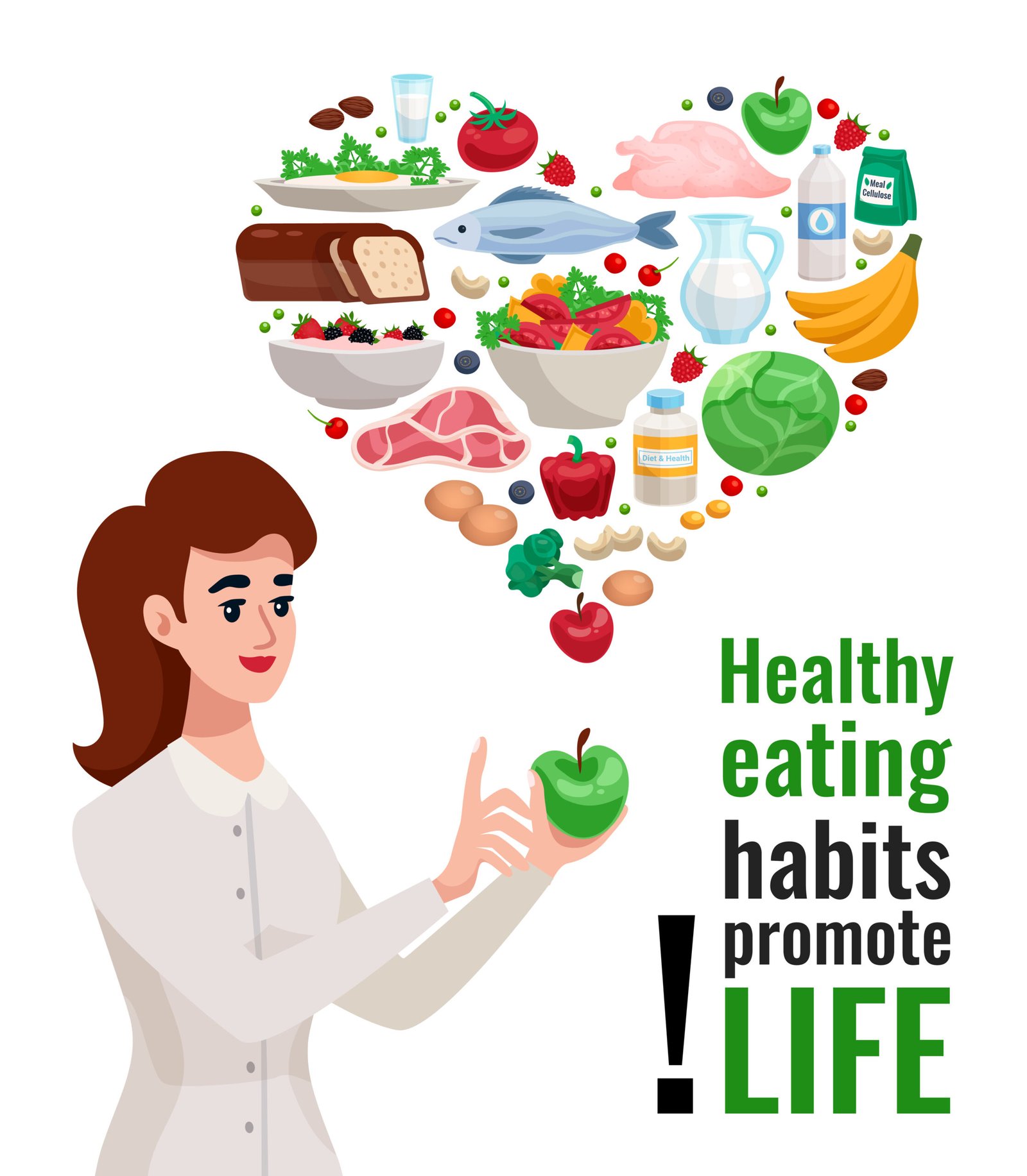
Losing weight is a common goal for many people, but traditional dieting approaches that involve extreme calorie restriction or skipping meals can be harmful and unsustainable. Healthy weight loss is about making smart food choices, balancing nutrients, and adopting habits that promote fat loss while preserving muscle mass and overall health. Eating for weight loss does not mean starving yourself; instead, it focuses on nutrient-dense foods, portion control, mindful eating, and creating a sustainable lifestyle. This guide provides comprehensive healthy eating tips for weight loss without starving, explains the science behind hunger and satiety, highlights the best foods for sustainable weight loss, discusses practical meal planning strategies, and offers lifestyle tips to complement a balanced diet. By following these strategies, individuals can achieve weight loss goals while enjoying satisfying, flavorful, and nutrient-rich meals.
Understanding Hunger and Satiety
Understanding hunger and satiety is key to losing weight without feeling deprived. Hunger is the body’s physical need for energy, while appetite is influenced by external cues such as smell, sight, and emotions. Satiety refers to the feeling of fullness that signals the brain to stop eating. Consuming foods high in protein, fiber, and healthy fats promotes satiety and prevents overeating. Eating slowly, paying attention to hunger cues, and avoiding distractions during meals improve satiety signals. By understanding how different foods affect fullness and energy, individuals can make food choices that naturally reduce calorie intake without the need for starvation or restrictive dieting.
Focus on Nutrient-Dense Foods
One of the most effective healthy eating tips for weight loss is prioritizing nutrient-dense foods. Nutrient-dense foods provide vitamins, minerals, protein, and fiber without excessive calories. Vegetables, fruits, lean proteins, whole grains, legumes, nuts, and seeds are all nutrient-dense choices that support weight loss. Vegetables and fruits are high in fiber and water, increasing volume and fullness without adding many calories. Lean proteins, including chicken, fish, tofu, legumes, and eggs, help preserve muscle mass, boost metabolism, and promote satiety. Whole grains like quinoa, brown rice, oats, and barley provide energy, fiber, and essential nutrients that prevent energy crashes and reduce overeating. By filling meals with nutrient-rich foods, it is possible to eat satisfying portions while losing weight.
Include Protein in Every Meal
Protein is essential for weight loss without starving because it increases satiety, preserves lean muscle mass, and supports metabolic function. Protein-rich foods take longer to digest, reducing hunger between meals. Examples of protein sources include lean meats, fish, eggs, dairy, tofu, tempeh, lentils, chickpeas, and beans. Including protein in breakfast, lunch, and dinner helps maintain stable blood sugar levels, prevent cravings, and promote consistent energy throughout the day. For example, a breakfast with Greek yogurt, nuts, and berries or a lunch with grilled chicken and quinoa ensures a protein-rich foundation for weight loss.
High-Fiber Foods for Fullness
Fiber is a powerful tool for losing weight without feeling hungry. Soluble fiber absorbs water, forming a gel in the digestive tract that slows digestion and promotes fullness. Insoluble fiber adds bulk to stools and supports healthy digestion. Foods high in fiber include vegetables, fruits, legumes, whole grains, nuts, and seeds. Incorporating fiber-rich foods in meals, such as lentil soup, vegetable stir-fries, salads, and oatmeal, increases satiety, reduces calorie intake, and supports gut health. Fiber also stabilizes blood sugar, preventing spikes and crashes that trigger hunger and cravings.
Healthy Fats for Weight Management
Contrary to outdated beliefs, healthy fats support weight loss and help reduce hunger. Monounsaturated and polyunsaturated fats promote satiety, improve nutrient absorption, and regulate hormones that control appetite. Sources of healthy fats include avocado, olive oil, nuts, seeds, fatty fish, and coconut. Including moderate amounts of healthy fats in meals prevents rapid hunger after eating, stabilizes energy levels, and makes meals more satisfying. For example, adding avocado to a salad, drizzling olive oil over roasted vegetables, or snacking on almonds helps control hunger naturally while supporting weight management.
Hydration and Weight Loss
Proper hydration is often overlooked but plays a critical role in healthy weight loss. Drinking water before and during meals can reduce overall calorie intake by promoting fullness. Water is also essential for metabolism, digestion, and toxin elimination. Consuming water-rich foods, such as cucumbers, tomatoes, melons, and leafy greens, contributes to hydration while increasing meal volume without adding calories. Limiting sugary drinks and alcohol helps avoid empty calories that can hinder weight loss. Maintaining adequate hydration is a simple, effective way to feel fuller and support healthy eating habits.
Mindful Eating Practices
Mindful eating helps prevent overeating and supports weight loss without deprivation. This involves paying attention to hunger and fullness cues, eating slowly, and savoring each bite. Avoiding distractions such as television, phones, or computers during meals improves awareness of satiety signals. Mindful eating also encourages healthier food choices, reduces emotional eating, and allows individuals to enjoy their food fully, reducing the need for extreme calorie restriction. Incorporating mindful eating practices makes weight loss more sustainable and reduces the risk of bingeing or rebound eating.
Avoid Highly Processed and Refined Foods
Highly processed foods, including sugary snacks, pastries, fast foods, refined grains, and packaged meals, contribute to weight gain and make it difficult to feel satisfied. These foods are typically calorie-dense, low in fiber, and high in added sugars and unhealthy fats, causing rapid spikes and crashes in blood sugar levels. Avoiding these foods and replacing them with whole, minimally processed options like fruits, vegetables, whole grains, lean proteins, and healthy fats supports satiety and stable energy. Making gradual swaps, such as replacing white bread with whole-grain bread or chips with roasted chickpeas, improves nutrition and promotes weight loss without feeling deprived.
Portion Control and Balanced Meals
Portion control is a key factor in losing weight without starving. Using smaller plates, measuring portions, and being aware of hunger cues prevents overeating while allowing adequate intake of nutrients. Balanced meals should include a source of protein, fiber-rich carbohydrates, healthy fats, and a variety of vegetables. For example, a dinner plate can consist of grilled salmon, quinoa, roasted vegetables, and a drizzle of olive oil, providing balanced nutrition and promoting satiety. Learning to recognize appropriate portion sizes helps maintain a calorie deficit for weight loss while preventing extreme hunger.
Healthy Snacking Strategies
Snacking can support weight loss when done thoughtfully. Choosing nutrient-dense snacks that include protein, fiber, and healthy fats helps prevent overeating at main meals. Examples include Greek yogurt with berries, apple slices with almond butter, roasted chickpeas, nuts, or vegetable sticks with hummus. Planning snacks ahead of time and avoiding highly processed snack foods reduces the temptation to eat empty calories. Smart snacking stabilizes blood sugar, reduces cravings, and allows for sustained energy throughout the day without the need for starvation.
Meal Planning for Sustainable Weight Loss
Meal planning is essential for healthy weight loss without starving. Planning meals in advance ensures access to nutrient-dense foods, prevents impulsive eating, and supports portion control. Include a variety of colorful vegetables, lean proteins, whole grains, legumes, and healthy fats in each meal. Preparing meals ahead of time, batch cooking, and storing meals in appropriate portions makes it easier to stick to healthy eating habits. A structured meal plan minimizes the likelihood of reaching for unhealthy foods, reduces stress around food choices, and promotes long-term success in weight management.
The Role of Exercise and Lifestyle
Healthy eating alone supports weight loss, but combining it with regular physical activity enhances results. Exercise increases energy expenditure, preserves muscle mass, boosts metabolism, and improves overall health. Both aerobic exercise and strength training contribute to fat loss and support long-term weight management. Adequate sleep and stress management are also critical, as poor sleep and chronic stress can disrupt hunger hormones, increase cravings, and hinder weight loss. Creating a balanced lifestyle that includes nutritious meals, exercise, sufficient rest, and stress reduction ensures sustainable weight loss without the need for starvation.
Tips for Long-Term Success
Sustainable weight loss requires adopting habits that can be maintained over time. Focus on whole, nutrient-dense foods, balanced meals, and portion control rather than restrictive dieting. Track progress with mindfulness rather than obsessing over calories. Allow occasional indulgences without guilt, ensuring moderation rather than deprivation. Experiment with flavors, herbs, spices, and cooking techniques to make healthy meals enjoyable. Stay consistent, patient, and flexible, understanding that slow and steady weight loss is more sustainable than rapid, restrictive approaches.
Conclusion
Healthy eating for weight loss does not require starvation or extreme calorie restriction. By focusing on nutrient-dense foods, including protein, fiber, and healthy fats, practicing mindful eating, and avoiding processed foods, individuals can achieve weight loss while enjoying satisfying and flavorful meals. Proper hydration, portion control, smart snacking, and meal planning further support sustainable weight management. Combining healthy eating with regular physical activity, adequate sleep, and stress management enhances results and promotes overall well-being. Adopting these strategies allows individuals to lose weight naturally, preserve lean muscle mass, and create long-term habits that maintain a healthy weight while enjoying the pleasure of eating.