
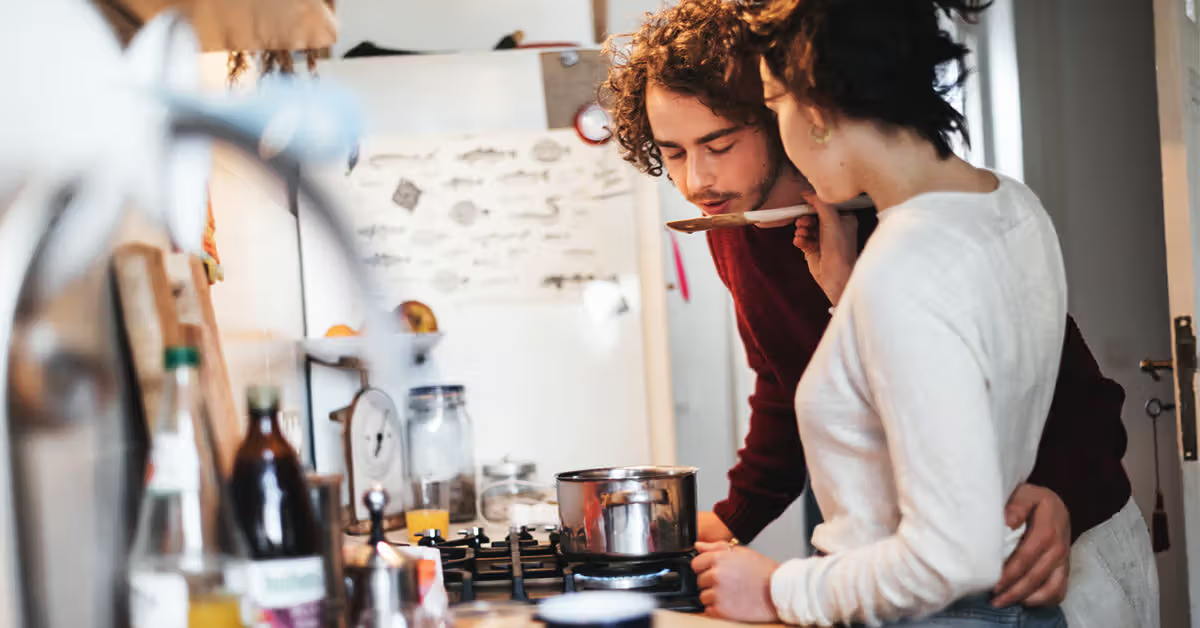
Cooking at home can feel overwhelming for beginners, especially when facing a kitchen full of ingredients but no clear idea of how to turn them into a delicious meal. The good news is that home cooking doesn’t have to be complicated. With a well-stocked pantry, some basic techniques, and a bit of creativity, you can transform simple ingredients into satisfying meals that nourish both body and soul. “From Pantry to Plate” is about making cooking accessible, stress-free, and enjoyable for anyone, regardless of experience. By understanding how to use everyday pantry staples, organize your kitchen, and apply fundamental cooking techniques, you can create flavorful meals quickly and confidently.
The Importance of a Well-Stocked Pantry
A well-stocked pantry is the foundation of home cooking. It ensures that you have the essential ingredients on hand to prepare a variety of meals without running to the store for every recipe. Staples like rice, pasta, beans, lentils, canned tomatoes, and flour can form the base of countless dishes, from comforting soups to hearty grain bowls. Herbs, spices, oils, and condiments are equally important, as they bring flavor, aroma, and character to meals. Keeping these items organized and accessible makes cooking more efficient and reduces the stress of meal preparation.
Understanding what to keep in your pantry is key to simplifying home cooking. Fresh ingredients such as garlic, onions, and lemons are versatile and enhance the flavor of nearly every dish. Stocking a selection of frozen vegetables and proteins allows for flexibility and convenience, making it easier to prepare healthy meals even on busy days. A thoughtfully arranged pantry transforms the cooking process from chaotic to seamless, enabling you to focus on technique and creativity rather than last-minute shopping.
Planning Meals from Pantry Ingredients
Once your pantry is organized, the next step is learning how to plan meals using what you already have. Meal planning helps reduce waste, saves money, and ensures balanced nutrition throughout the week. Start by identifying ingredients that can form the base of multiple meals. For example, a bag of rice can be used in stir-fries, soups, or grain bowls, while canned beans can become the heart of salads, tacos, or chili.
When planning meals, it is helpful to think in terms of flavor profiles and complementary ingredients. Pairing aromatic herbs with staples like olive oil, garlic, and tomatoes can elevate a simple dish into something special. Using pantry items creatively, such as turning leftover pasta into a baked casserole or combining canned chickpeas with spices for a quick curry, maximizes efficiency while keeping meals interesting. Meal planning also encourages experimenting with new combinations, helping beginners build confidence and expand their culinary repertoire.
Basic Cooking Techniques Every Beginner Should Know
Transforming pantry ingredients into delicious meals requires mastering basic cooking techniques. Boiling, steaming, sautéing, roasting, and baking are fundamental methods that form the backbone of home cooking. Boiling is excellent for grains, pasta, and vegetables, providing a quick way to prepare ingredients while preserving nutrients. Steaming maintains the texture and color of vegetables and fish, while sautéing enhances flavors by cooking ingredients quickly over medium-high heat with a small amount of oil.
Roasting is ideal for vegetables, proteins, and even some fruits, as it concentrates natural flavors and creates a pleasing caramelization. Baking, meanwhile, offers opportunities for both savory and sweet dishes, from simple breads to sheet pan dinners. Understanding heat management, cooking times, and visual cues like browning or softening helps beginners gain confidence and ensures consistent results. Mastering these techniques allows you to transform even the simplest pantry staples into satisfying meals.
Using Herbs, Spices, and Condiments
A dish’s flavor is often determined by the herbs, spices, and condiments used. Even the most basic pantry ingredients can be elevated with thoughtful seasoning. Herbs like basil, parsley, and thyme add freshness, while spices such as cumin, paprika, and turmeric provide warmth and depth. Condiments like soy sauce, vinegar, mustard, and hot sauce enhance complexity and balance in dishes.
Learning how to combine flavors is key to home cooking. Fresh herbs can be added at the end of cooking for brightness, while dried herbs and spices are best incorporated early to allow flavors to develop. Condiments can adjust acidity, saltiness, or heat, transforming a simple stir-fry, soup, or salad into a dish with layered, satisfying flavors. Understanding seasoning helps beginners create meals that are more than just edible—they become enjoyable and memorable.
Quick and Simple Pantry Recipes
One of the joys of home cooking is realizing that delicious meals can come from basic pantry items. A stir-fry using frozen vegetables, a can of chickpeas, and a dash of soy sauce can be ready in under twenty minutes. A simple tomato and lentil soup requires only canned tomatoes, lentils, onions, garlic, and basic seasonings. Grain bowls combining rice, beans, roasted vegetables, and a flavorful dressing can be customized endlessly with ingredients on hand.
These types of recipes are not only fast but also teach beginners how to combine flavors, textures, and nutrients effectively. By starting with easy recipes, you build confidence and develop an understanding of how different ingredients interact. Over time, you can modify recipes, experiment with spices, and create entirely new dishes based on what is available in your pantry.
Organizing and Maintaining Your Kitchen
A smooth cooking experience depends on an organized kitchen. Keep frequently used items like spices, oils, and canned goods easily accessible. Store dry ingredients in clear containers to monitor freshness and avoid spoilage. Labeling containers and rotating stock using the “first in, first out” method ensures older items are used before expiration.
Maintaining a clean workspace is also crucial. Wash dishes and utensils promptly, wipe down counters, and sanitize surfaces regularly. A tidy kitchen reduces stress, improves efficiency, and allows you to focus on cooking rather than cleaning mid-preparation. Developing organization habits makes home cooking easier and more enjoyable, especially for beginners who may feel overwhelmed by clutter.
Building Confidence Through Practice
Confidence is key to becoming a successful home cook. Beginners often hesitate because of fear of failure or lack of experience. Starting with simple recipes, gradually experimenting with flavors, and learning from mistakes builds competence and confidence. Each successful meal reinforces skills, while failures provide valuable lessons about ingredient combinations, cooking times, and flavor balance.
Experimentation is an important part of learning. Trying new techniques, adjusting seasoning, and substituting ingredients based on what is available teaches adaptability. Over time, confidence allows you to improvise, create original dishes, and approach cooking with creativity rather than apprehension. Home cooking becomes a satisfying and rewarding skill that grows stronger with practice and curiosity.
The Joy of Home-Cooked Meals
Cooking at home is not just about preparing food—it is about creating experiences, fostering connection, and enjoying the process. Sharing a home-cooked meal with family or friends brings joy and builds memories. Cooking allows for mindfulness, as the process of chopping, stirring, and plating encourages focus and presence.
Home cooking also empowers you to make healthier choices. By selecting ingredients and controlling preparation methods, you can reduce reliance on processed foods, limit excess sugar and salt, and incorporate more vegetables, proteins, and whole grains. The satisfaction of creating a meal from scratch using pantry staples reinforces the value of self-sufficiency and culinary creativity.
Conclusion
From Pantry to Plate demonstrates that home cooking can be simple, accessible, and enjoyable for everyone. By understanding your ingredients, organizing your pantry, mastering basic cooking techniques, and experimenting with flavors, even beginners can create delicious, nutritious meals. Home cooking is not about perfection; it is about learning, experimenting, and enjoying the process. With practice and creativity, you can transform basic pantry items into flavorful, satisfying dishes that nourish both body and soul. Whether cooking for yourself, your family, or friends, the journey from pantry to plate is a rewarding one that builds skills, confidence, and lasting appreciation for the art of home cooking.