
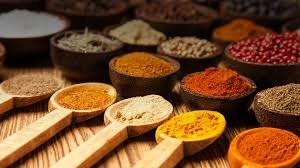
Cooking with fresh herbs is a transformative way to elevate the flavor, aroma, and nutritional value of everyday meals. Unlike dried herbs, fresh herbs offer vibrant flavors and essential oils that enhance dishes without adding unnecessary calories, sodium, or artificial ingredients. Fresh herbs are versatile and can be incorporated into salads, soups, sauces, main courses, and even desserts. Popular herbs such as basil, cilantro, parsley, rosemary, thyme, oregano, mint, dill, sage, and chives each offer a unique flavor profile and health benefit. Using fresh herbs effectively requires understanding their taste characteristics, knowing how to pair them with foods, and mastering storage and cooking techniques. When incorporated thoughtfully, fresh herbs can transform simple dishes into gourmet meals while boosting the health benefits of your diet, making them a staple in both home kitchens and professional culinary practices.
Health Benefits of Fresh Herbs
Fresh herbs are more than flavor enhancers; they are nutritional powerhouses packed with vitamins, minerals, and bioactive compounds. One of the most notable benefits of herbs is their antioxidant properties. Herbs such as parsley, cilantro, basil, and rosemary contain flavonoids, polyphenols, and vitamin C that neutralize free radicals, reduce oxidative stress, and protect cells from damage, lowering the risk of chronic diseases. Additionally, many herbs have anti-inflammatory properties, which help reduce inflammation in the body, supporting cardiovascular health, joint function, and immune response. Digestive health is another area where fresh herbs shine; herbs like mint, dill, and fennel improve digestion, reduce bloating, and support a healthy gut. Certain herbs, including garlic, basil, and oregano, promote heart health by improving blood circulation, reducing cholesterol, and maintaining healthy blood pressure. Fresh herbs also boost the immune system due to their high content of vitamins, minerals, and antioxidants, supporting overall wellness. Regular use of fresh herbs in cooking contributes to better health while enhancing the flavor and appeal of meals.
Choosing and Storing Fresh Herbs
Selecting high-quality fresh herbs is critical to achieving maximum flavor and nutritional benefits. Look for vibrant leaves, firm stems, and minimal signs of wilting or discoloration. Avoid herbs that appear slimy, yellowed, or dry. Organic herbs or those sourced from local farmers’ markets often provide the freshest and most flavorful options. Some herbs, like basil, cilantro, and mint, are best purchased in small quantities frequently, as they have a shorter shelf life. Proper storage is equally important to maintain freshness. Soft herbs such as parsley, cilantro, chives, and dill are best stored in the refrigerator with their stems in a glass of water, loosely covered with a plastic bag, while changing the water every few days. Herbs like basil, sensitive to cold, should be stored at room temperature in a glass of water away from sunlight. Hardy herbs such as rosemary, thyme, oregano, and sage can be frozen or dried for longer shelf life, and freezing chopped herbs in ice cube trays with water or oil allows convenient use in cooking. Proper selection and storage ensure herbs retain their aroma, flavor, and nutrient content.
Flavor Profiles of Common Fresh Herbs
Understanding the flavor profiles of fresh herbs is essential to using them effectively in cooking. Basil has a sweet, slightly peppery aroma and pairs well with tomatoes, garlic, mozzarella, and Mediterranean dishes. Cilantro offers a fresh, citrusy flavor that enhances Mexican, Indian, and Asian cuisine. Parsley is mild, slightly peppery, and works well in soups, stews, salads, and as a garnish. Rosemary has a piney, woody flavor perfect for roasted meats, potatoes, and breads. Thyme is earthy and slightly minty, complementing poultry, seafood, stews, and sauces. Oregano has a warm, slightly bitter taste ideal for Italian, Greek, and Mediterranean dishes.
Mint provides a cool, refreshing flavor that works in desserts, beverages, salads, and Middle Eastern cuisine. Dill has a fresh, grassy, and slightly sweet taste that enhances pickles, seafood, yogurt sauces, and salads. Sage offers an earthy, peppery flavor suitable for roasted meats, poultry, pasta, and stuffing. Chives have a mild onion flavor that complements soups, salads, egg dishes, and creamy sauces. Knowledge of these flavor profiles allows cooks to pair herbs with complementary ingredients for maximum impact.
Cooking Techniques with Fresh Herbs
Cooking with fresh herbs involves understanding how heat and timing affect their flavor and nutritional benefits. Hard herbs like rosemary, thyme, and oregano release flavors slowly and are best added early in cooking, especially in slow-cooked dishes like soups, stews, roasts, and casseroles. Soft herbs such as parsley, cilantro, chives, and basil retain their delicate flavors best when added at the end of cooking or used as garnishes.
Fresh herbs can also be infused into oils, vinegars, or broths to impart flavor throughout a dish. Blending herbs into pestos or sauces, such as combining basil, parsley, or cilantro with olive oil, nuts, garlic, and cheese, creates vibrant, aromatic condiments. Herb-infused butter or cream cheese spreads can enhance vegetables, breads, or meats, while incorporating herbs into salads or finishing dishes as garnishes adds freshness and visual appeal. By applying these techniques, cooks can maximize the flavor, aroma, and nutritional benefits of herbs in every meal.
Pairing Fresh Herbs with Proteins, Vegetables, and Grains
Fresh herbs complement both animal and plant-based proteins. For poultry such as chicken or turkey, herbs like rosemary, thyme, sage, parsley, and tarragon enhance roasted, grilled, or sautéed dishes. Beef and lamb pair well with rosemary, thyme, oregano, and parsley, while fish and seafood are beautifully complemented by dill, parsley, cilantro, basil, and tarragon. Plant-based proteins such as tofu, tempeh, lentils, beans, and chickpeas can be enhanced with cilantro, parsley, basil, mint, and oregano, particularly in stir-fries, grain bowls, and salads.
Vegetables benefit greatly from fresh herbs as well, with basil, parsley, oregano, and chives elevating roasted or sautéed vegetables, and cilantro, mint, and dill brightening salads, soups, and stews. Grains like quinoa, rice, barley, and couscous become more flavorful and nutrient-dense when paired with fresh herbs. Combining multiple herbs in a dish can add layers of flavor, depth, and complexity while enhancing both taste and nutrition.
Fresh Herbs in Beverages and Desserts
Beyond savory dishes, fresh herbs can also enhance beverages and desserts. Mint is a classic addition to teas, mojitos, and infused waters, providing refreshing flavor. Basil and rosemary can be infused into lemonade, cocktails, or smoothies for a unique aromatic twist. Herbs such as lavender, mint, and lemon balm elevate the flavor profile of cakes, ice creams, fruit-based desserts, and energy bars. Using herbs creatively in sweet and beverage recipes not only improves flavor but also adds antioxidants and nutrients to everyday indulgences.
Growing Your Own Fresh Herbs
Cultivating fresh herbs at home ensures a continuous supply of aromatic, flavorful ingredients. Herbs can be grown in pots, window boxes, or garden beds. Easy-to-grow herbs include basil, parsley, chives, mint, rosemary, and thyme. Regular harvesting encourages new growth, while growing organically ensures no pesticide exposure. Homegrown herbs are fresher, more nutritious, and cost-effective, providing a sustainable source for culinary and health purposes. Growing your own herbs also allows experimentation with different varieties and flavors that might not be available in stores, enriching your culinary repertoire.
Common Mistakes When Using Fresh Herbs
Cooking with fresh herbs can sometimes go wrong if certain mistakes are made. Overcooking soft herbs like parsley, cilantro, or basil can destroy their delicate flavor and nutrients. Failing to wash herbs properly can leave soil, bacteria, or pesticides on the leaves. Relying on salt instead of herbs to enhance flavor limits both taste and nutritional value. Incorrect storage can lead to wilting, loss of aroma, and reduced shelf life. Avoiding these mistakes ensures herbs retain their health benefits and elevate the flavor of meals effectively.
Tips for Maximizing Flavor and Nutrition
To maximize flavor and nutrition, chop herbs just before using them to preserve essential oils. Combine multiple herbs for depth of flavor in a dish, and use them generously to replace high-calorie sauces or excess salt. Experiment with herb-infused oils, vinegars, and marinades to impart rich flavors. Pair herbs with complementary spices for layered tastes, and don’t be afraid to use them in creative ways across savory and sweet dishes. Following these strategies ensures you get the full culinary and health benefits of fresh herbs in every meal.
Conclusion
Cooking with fresh herbs is a simple yet transformative way to enhance flavor, aroma, and nutrition in your meals. Fresh herbs provide antioxidants, anti-inflammatory properties, digestive support, heart health benefits, and immune system support, making them an essential part of a balanced, healthful diet. By understanding their flavor profiles, storage requirements, and cooking techniques, fresh herbs can elevate both everyday and gourmet dishes. They are versatile enough to enhance proteins, vegetables, grains, beverages, and desserts, and growing your own herbs ensures freshness and sustainability. Avoiding common mistakes and applying tips to maximize flavor and nutrition allows cooks to create dishes that are both delicious and health-promoting. Incorporating fresh herbs into daily cooking not only improves taste but also supports overall wellness, turning simple meals into nutrient-rich, aromatic, and visually appealing culinary experiences. With knowledge, creativity, and practice, cooking with fresh herbs can become a cornerstone of a flavorful and health-conscious lifestyle.