
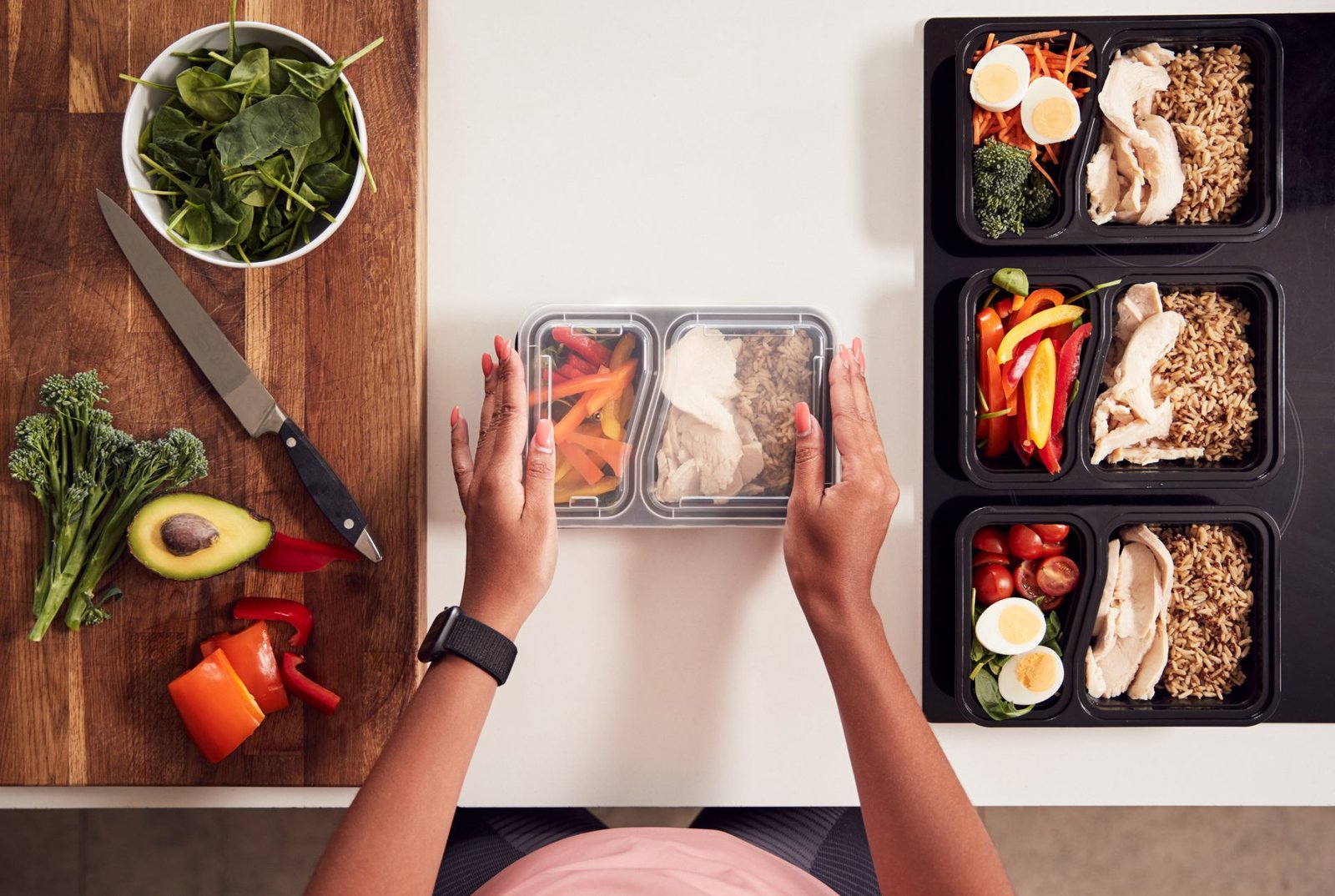
There is a common misconception that floats around cooking circles and it goes something like this. Great cooking requires years of training. It requires fancy equipment. It requires recipes that are three pages long with ingredients you cannot pronounce. People look at a beautiful meal and assume that the person who made it must possess some kind of natural born talent that they themselves simply lack. They think I could never do that. But here is the truth that professional chefs know and home cooks often forget. Cooking is not about talent. It is about technique. It is about knowing a few simple tricks that make everything easier. It is about understanding how food behaves so you can work with it instead of against it. The difference between a meal that stresses you out and a meal that comes together effortlessly is usually just a handful of small tips and tricks that someone forgot to tell you. That is what this article is all about. I want to share the kitchen wisdom that took me years of trial and error to figure out so you can skip straight to the good part. These are the tips and hacks that save time and reduce stress and make everyday cooking feel like less of a chore and more of a pleasure. Whether you are a beginner who is still figuring out which knife is which or a seasoned cook looking to polish your skills there is something here for you.
The Magic of Mise En Place and Why It Will Change Your Cooking Forever
Let us start with the most important kitchen tip you will ever learn. It comes from the French and it is called mise en place which translates to everything in its place. This is not just a fancy phrase that chefs throw around to sound important. It is a fundamental philosophy of cooking that will change your life if you let it. Mise en place means that before you even turn on the stove you read your recipe from start to finish. You gather all your ingredients on the counter. You chop your vegetables and measure your spices and grate your cheese. You put everything into little bowls or pile it neatly on a cutting board so that when the pan is hot and the garlic is sizzling you are not running around the kitchen searching for the soy sauce while your dinner burns. Think about how many times you have been cooking and suddenly realized you need an ingredient that is still in the refrigerator or a spice that is buried in the back of the cabinet. By the time you find it and get back to the stove something has overcooked or stuck to the pan or simply lost its moment. Mise en place eliminates that chaos entirely. It takes a few extra minutes at the beginning but it saves you ten times that amount of stress and cleanup on the back end. It turns cooking from a frantic scramble into a calm and deliberate process. Try it just once and you will understand why chefs swear by it. The beauty of this method is that it also helps you catch mistakes before they happen. If you realize you are out of an ingredient while you are still in the prep phase you can adjust or run to the store before the cooking even starts. You are not standing over a hot pan with smoke rising while you try to figure out a substitute. Everything is in its place and everything is ready to go and that peace of mind is worth more than any fancy gadget you could buy.
How to Keep Your Knives Actually Sharp and Why It Matters for Your Safety
A dull knife is the most dangerous tool in your kitchen. This sounds counterintuitive because you would think a sharp knife is more likely to cut you. But the truth is that when your knife is dull you have to apply more pressure to get through food. That extra pressure makes it harder to control the blade. The knife slips and that is when you end up in the emergency room with a finger that needs stitches. A sharp knife glides through tomatoes and onions and bell peppers with almost no effort at all. It does exactly what you tell it to do and it stays exactly where you put it. So how do you keep your knives sharp? You need two things. A honing steel and a sharpener. The honing steel is that long rod that often comes with a knife block. It does not actually sharpen the blade. It realigns the edge which gets bent out of shape during normal use. You should use the honing steel every single time you cook. Just a few swipes on each side before you start chopping will keep your knife performing well. For actual sharpening when the blade gets dull you need a sharpening stone or you can take your knives to a professional sharpening service once or twice a year. Never put your good knives in the dishwasher.
The Truth About Salt and When You Should Actually Use It
Salt is not just a seasoning. It is the single most important ingredient in your entire kitchen. Salt does not make food taste salty when used correctly. It makes food taste more like itself. It amplifies flavor. It reduces bitterness. It transforms a bland dish into something you cannot stop eating. The mistake that most home cooks make is underseasoning their food and then adding salt at the table. There is nothing wrong with table salt but it only affects the surface of the food. The real magic happens when you salt throughout the cooking process. When you salt a piece of chicken an hour before you cook it the salt has time to penetrate deep into the meat seasoning it from the inside out. When you salt pasta water until it tastes like the sea that salt seasons the pasta itself as it cooks. When you salt onions as they sauté they release their moisture and soften more quickly and develop deeper flavor. The key is to taste as you go. Take a little taste of whatever you are cooking and ask yourself if it needs more salt. If the flavors feel flat or muted it probably does. Add a pinch stir and taste again. Keep doing this until the food tastes bright and vibrant and delicious. You will be amazed at the difference it makes. Salt is not your enemy. It is your best friend in the kitchen and learning to use it properly is the single biggest step you can take toward becoming a better cook.
Why You Should Stop Crowding the Pan and Start Cooking in Batches
This is a tip that applies to almost everything you cook in a skillet. Vegetables and meat and even eggs. If you want food to brown and develop flavor you have to give it space. When you crowd the pan with too much food the moisture released from all those ingredients has nowhere to go. It turns into steam and your food steams instead of searing. Steamed vegetables are fine but they are not nearly as delicious as vegetables that have been properly browned with those crispy caramelized edges. The same goes for meat. If you put too many pieces of chicken in the pan at once they will release liquid and start to boil rather than brown. You will end up with pale sad chicken that lacks that deep savory flavor you get from a good sear. The solution is simple. Cook in batches. If you have a lot of food to cook do it in two or three smaller batches and give each piece plenty of room. It takes a little more time but the difference in flavor is absolutely worth it. You can also use a larger pan if you have one. A wide skillet gives you more surface area and more room for your food to breathe. The browning that happens when food has space is where flavor lives and you do not want to miss out on that.
How to Save Over Salted Food Without Panicking and Throwing It Away
Everyone makes this mistake at least once. You are cooking and you get a little heavy handed with the salt shaker and suddenly your beautiful dish tastes like the dead sea. Panic sets in. You think dinner is ruined and you have to order pizza. But hold on because there is a fix. If your soup or sauce or stew is too salty you can often save it by adding something starchy. A peeled raw potato dropped into the pot will absorb some of the excess salt as it cooks. Remove the potato before serving and taste again. You can also add a splash of acid like lemon juice or vinegar which helps balance the saltiness and brighten the overall flavor. Adding a dairy element like cream or coconut milk can also mellow out the salt. If the dish is still too salty you can dilute it by adding more of the other ingredients. More vegetables more broth more tomatoes whatever makes sense for what you are making. The key is to stay calm and remember that saltiness can almost always be fixed. You have options and you do not need to throw the whole thing away.
The Secret to Perfectly Cooked Pasta Every Single Time You Make It
Pasta seems simple and it is but there are a few tricks that separate good pasta from great pasta. First you need a big pot with plenty of water. Pasta needs room to move around or it will get sticky and clump together. Second you need to salt the water generously. The water should taste like the ocean. This is your only chance to season the pasta itself and if you skip this step your pasta will be bland no matter how good your sauce is. Third do not add oil to the pasta water. This is a myth that needs to die. Oil just coats the pasta and prevents the sauce from sticking to it later. Fourth reserve a cup of the starchy pasta water before you drain. This golden liquid is liquid gold. It helps thicken your sauce and helps it cling to the pasta. When you toss the pasta with your sauce add a splash of that reserved water and watch it come together into something silky and beautiful. Fifth do not rinse your pasta unless you are making a cold pasta salad. The starch on the surface helps the sauce adhere. Rinsing washes it away. Follow these tips and your pasta dishes will go from good to restaurant quality overnight.
How to Use Your Freezer to Save Time Money and Your Sanity
Your freezer is one of the most powerful tools in your kitchen and most people do not use it anywhere near its full potential. The freezer is not just for storing ice cream and frozen peas. It is a time machine that can save you hours of work during the week. Spend a couple of hours on a Sunday cooking big batches of things that freeze well. Soups and stews and chili and pasta sauce and cooked beans and rice and grains. Let them cool completely then portion them into containers and freeze. On a busy Tuesday night when you have no energy to cook you can pull one of those containers out and have dinner ready in the time it takes to reheat. You can also freeze ingredients before they go bad. Have herbs that are about to wilt? Chop them up put them in an ice cube tray and cover with olive oil then freeze. Pop out a cube whenever you need fresh herb flavor. Have bananas that are turning brown? Peel them throw them in a freezer bag and use them later for smoothies or banana bread. Have leftover wine? Freeze it in ice cube trays and use it later for cooking. The freezer gives you flexibility and freedom and it drastically reduces food waste which is good for your wallet and good for the planet.
The Right Way to Store Herbs and Vegetables So They Last Longer
Nothing is more frustrating than buying fresh produce only to have it turn into a slimy mess in the refrigerator three days later. You spent good money on that food and watching it rot is painful. The good news is that most produce lasts much longer when stored correctly. Herbs like cilantro and parsley and dill should be treated like flowers. Trim the ends put them in a jar with an inch of water and cover loosely with a plastic bag then refrigerate. They will last for weeks instead of days. Leafy greens like lettuce and spinach should be washed dried thoroughly and stored in a container with a paper towel to absorb excess moisture. The paper towel is the key. It prevents the greens from sitting in water and turning into slime. Asparagus should stand upright in a little water just like herbs. Mushrooms should stay in a paper bag not plastic because they need to breathe. Onions and potatoes should be stored in a cool dark place but never together because onions release gases that make potatoes sprout faster. Tomatoes should never go in the refrigerator. The cold destroys their texture and flavor. Keep them on the counter and eat them within a few days. Learning these simple storage tricks will save you money and ensure you always have fresh ingredients ready to go.
Why You Should Read the Entire Recipe Before You Start Cooking Anything
This tip seems obvious but you would be surprised how many people skip it. You find a recipe online or in a cookbook and you get excited and you just dive right in. You start chopping and mixing and then you get to step four and it says marinate overnight or chill for four hours and suddenly your dinner plans are ruined. Reading the recipe all the way through before you start prevents this disaster. It also helps you understand the flow of the cooking process. You will know which steps can be done in advance and which steps require your full attention. You will know if you need special equipment or if there is a tricky technique you need to practice. You will know if the recipe makes more or less food than you expected. Taking five minutes to read and understand the recipe before you start is one of the simplest ways to reduce stress and ensure success in the kitchen. It is the mark of a smart cook not a lazy one.
How to Clean as You Go and Why It Makes Cooking Actually Enjoyable
There is a reason why professional kitchens have a rule about cleaning as you go. It is not because chefs are neat freaks. It is because a clean workspace is a functional workspace. When you cook at home the worst part of the experience is often the mountain of dishes waiting for you after you eat. You finish your meal and you are full and tired and you look at the sink and there are pots and pans and bowls and cutting boards everywhere and you just want to cry. Cleaning as you go eliminates this problem entirely. While your onions are sautéing wash the cutting board and knife. While your sauce simmers wipe down the counter and put away ingredients. While your pasta cooks rinse the colander and get it ready. By the time dinner is on the table most of the mess is already gone. After you eat you might have a few plates and forks to wash and that is it. Cooking becomes something you look forward to instead of something you dread because of the cleanup. It takes a little discipline at first but once it becomes a habit you will never go back.
The Importance of Tasting Your Food Throughout the Cooking Process
You would not drive a car with your eyes closed. You would not paint a picture without looking at the canvas. But so many people cook without tasting their food until it is on the plate. By then it is too late to fix anything. The sauce might need more salt. The soup might need more acid. The vegetables might need more time. If you taste as you go you catch these things early and you adjust. You are the most important critic in your kitchen and your taste buds are the best tool you have. Trust them. If something tastes off to you it probably is. If something tastes amazing make a mental note of what you did so you can do it again. Tasting is not just about checking for seasoning. It is about understanding how flavor develops over time. It is about learning. So grab a spoon and taste early and taste often. It is the only way to get better.
How to Rescue Burnt Food and When You Should Just Start Over
Sometimes despite your best efforts things go wrong. You get distracted and the garlic burns. You walk away for one minute and the onions turn black. You forget about the nuts in the oven and they become charcoal. It happens to everyone including professional chefs. The question is what do you do about it. If only a small part of the food is burnt you can sometimes salvage the rest. Remove the burnt pieces carefully and taste what remains. If it does not taste smoky or bitter you might be okay. If the whole thing is burnt you have to be honest with yourself. Burnt food tastes terrible and it can ruin a whole dish. Trying to cover it up with more sauce or spices usually does not work. Sometimes the best option is to throw it away and start over. It hurts in the moment but it is better than serving something unpleasant and eating a sad meal. Learn from the mistake and move on. Next time you will set a timer or stay closer to the stove.
The Simple Trick for Peeling Garlic in Seconds Flat
Garlic is one of the most used ingredients in cooking and also one of the most annoying to prepare. Peeling those tiny papery skins off each clove takes forever and your fingers get sticky and smelly. But there is a better way. Take a whole head of garlic and separate it into cloves. Put the cloves inside a metal bowl and place another metal bowl on top to form a dome. Hold the bowls together and shake vigorously for about ten seconds. When you open the bowls the cloves will be perfectly peeled and ready to go. The force of the shaking knocks the skins loose without damaging the garlic. This trick works best with metal bowls because they are heavy enough to create force. It is one of those kitchen hacks that seems too good to be true until you try it yourself.
Why You Should Invest in a Good Kitchen Thermometer Right Now
Guessing when meat is done is a recipe for disaster. You either undercook it and worry about food safety or you overcook it and end up with dry leather on your plate. A good instant read thermometer solves this problem completely. It takes the guesswork out of cooking and gives you perfect results every time. Chicken should reach one hundred sixty five degrees Fahrenheit. Beef cooked medium rare should be around one hundred thirty five degrees. Fish is usually done at one hundred forty five degrees. With a thermometer you know exactly when to pull food off the heat. No more cutting into a steak to see if it is done and letting all the juices run out. No more serving dry chicken to your family. A thermometer costs about fifteen dollars and it will improve your cooking more than almost any other tool you can buy. It takes the stress out of cooking meat and gives you confidence that you are serving food that is both safe and delicious.
How to Revive Stale Bread and Make It Taste Fresh Again
There are few things sadder than a loaf of bread that has gone stale. You spent money on it and now it is hard and dry and you are about to throw it away. But wait. Stale bread can often be revived with a little heat and moisture. If the bread is only slightly stale you can wrap it in a damp paper towel and microwave it for about ten seconds. The steam rehydrates the bread and makes it soft again. For larger loaves or bread that is very stale you can run it under cold water quickly just enough to wet the crust then put it in a three hundred fifty degree oven for five to ten minutes. The heat turns the water into steam and the bread comes out warm and crusty and almost as good as new. This trick works for baguettes and sandwich bread and dinner rolls. It saves you money and prevents food waste.
The Best Way to Measure Sticky Ingredients Like Honey and Molasses
Measuring sticky ingredients is a pain. You pour honey into a measuring cup and half of it sticks to the sides and you never get the full amount out. There is a simple trick that solves this problem forever. Lightly coat the measuring cup or spoon with oil or spray it with nonstick cooking spray before you add the sticky ingredient. The honey or molasses or maple syrup will slide right out without sticking. You get the exact amount you need and cleanup is much easier. This trick works for peanut butter too. It is one of those small tips that makes a big difference in your daily cooking.
Why Letting Meat Rest After Cooking Is Non Negotiable
You cook a beautiful steak or a chicken breast or a pork chop and it looks perfect. Your instinct is to cut into it immediately and eat it while it is hot. But if you do that you are making a mistake. When meat cooks the juices get pushed toward the center. If you cut into it right away those juices run out onto the cutting board and you are left with dry meat. If you let it rest for five to ten minutes the juices redistribute throughout the meat and stay inside when you cut it. The meat will still be warm I promise. This five minute wait is the difference between good meat and great meat. Cover it loosely with foil to keep it warm and be patient. Your taste buds will thank you.
How to Use Citrus to Brighten Up Any Dish
Salt is not the only thing that makes food taste better. Acid is equally important. A squeeze of lemon or lime juice at the end of cooking can transform a heavy dull dish into something bright and vibrant. Acid cuts through richness and wakes up your taste buds. If you are making soup or stew or sauce and it tastes good but something feels missing try adding a little citrus juice or a splash of vinegar. It is often the missing piece. Keep lemons and limes on hand and use them generously. A little acid goes a long way toward making your food taste professional.