
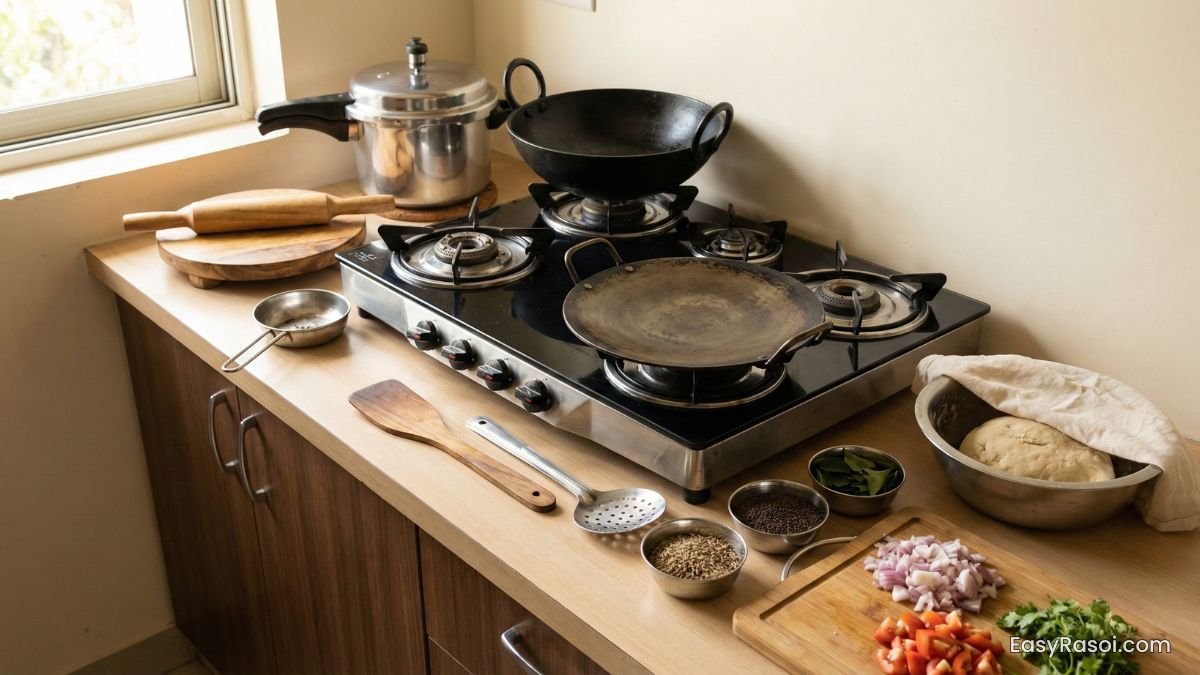
Learning how to cook can be intimidating for beginners, but mastering essential cooking techniques is the key to building confidence in the kitchen, creating delicious meals, and developing a lifelong skill. Cooking is both an art and a science, and understanding fundamental methods allows beginners to experiment with ingredients, flavors, and textures while preparing nutritious and satisfying dishes. From basic knife skills to methods for cooking proteins, vegetables, and grains, essential cooking techniques provide a foundation for creating meals at home efficiently and safely. This comprehensive guide covers the most important cooking techniques for beginners, practical tips for each method, safety and hygiene considerations, common mistakes to avoid, and strategies for meal planning and flavor enhancement. By mastering these techniques, beginners can transform simple ingredients into flavorful meals and develop a deeper appreciation for the culinary arts.
Understanding Kitchen Tools and Equipment
Before diving into cooking techniques, it is important for beginners to become familiar with basic kitchen tools and equipment. Essential tools include a set of sharp knives, cutting boards, measuring cups and spoons, pots and pans of various sizes, mixing bowls, spatulas, tongs, a whisk, and a colander. Having the right tools ensures efficiency, safety, and precision when cooking. Beginners should also familiarize themselves with kitchen appliances such as stovetops, ovens, microwaves, blenders, and slow cookers, as each appliance has specific uses and affects cooking times and textures. Investing in good-quality tools and understanding how to use them properly lays the foundation for successful cooking and prevents common mistakes that occur from using improper or inadequate equipment.
Knife Skills and Safe Cutting Techniques
Knife skills are fundamental for any beginner cook because proper cutting techniques improve efficiency, ensure uniform cooking, and enhance food presentation. Basic techniques include chopping, dicing, mincing, slicing, julienning, and chiffonade for herbs. Beginners should practice holding the knife with a secure grip, keeping fingers tucked under the guiding hand, and using a stable cutting surface. Uniform pieces ensure even cooking and improve the texture and appearance of dishes. Learning to properly care for knives, including sharpening and cleaning them safely, is also essential. Mastering basic knife skills not only speeds up meal preparation but also builds confidence for more advanced cooking techniques.
Boiling and Simmering
Boiling and simmering are foundational cooking techniques used to cook grains, pasta, legumes, vegetables, and proteins. Boiling involves cooking food in water at a high temperature, while simmering uses a lower temperature just below boiling. Simmering is ideal for soups, stews, sauces, and delicate foods, while boiling is best for pasta, rice, potatoes, and some vegetables. Beginners should understand the difference between rolling boiling and gentle simmering and adjust heat accordingly to avoid overcooking or breaking apart ingredients. Adding salt to boiling water enhances flavor, and monitoring cooking times ensures food is tender but not mushy. These techniques are simple yet essential for everyday cooking.
Sautéing and Pan-Frying
Sautéing is a quick cooking technique that uses a small amount of fat, such as oil or butter, over medium to high heat to cook small, uniform pieces of food. Pan-frying uses slightly more oil and slightly lower heat to cook proteins, vegetables, or batter-coated foods until golden brown. Both methods allow food to develop flavor and texture quickly. Beginners should learn to preheat the pan, avoid overcrowding, and stir or flip food as needed to ensure even cooking. Sautéing and pan-frying are ideal for vegetables, chicken, fish, tofu, and stir-fry dishes. Mastering these techniques adds versatility to a beginner’s cooking repertoire and introduces foundational skills for more advanced methods.
Roasting and Baking
Roasting and baking are dry-heat cooking techniques that use an oven to cook food evenly. Roasting typically refers to cooking vegetables, meats, or poultry at higher temperatures to achieve caramelization and rich flavor. Baking is used for bread, pastries, cakes, and casseroles. Beginners should understand temperature control, proper oven placement, and timing to achieve desired results. Using a baking sheet or roasting pan, lining with parchment paper, and turning ingredients midway ensures even cooking. Roasting and baking allow for hands-off cooking, making them ideal for meal prep and creating flavorful, evenly cooked dishes.
Steaming
Steaming is a gentle cooking technique that preserves nutrients, color, texture, and flavor in vegetables, fish, and dumplings. It involves cooking food over boiling water without direct contact, using a steamer basket, bamboo steamer, or perforated tray. Beginners should learn how to control steam levels, avoid overcooking, and monitor water levels to prevent burning or drying out food. Steaming is a healthy cooking method that requires minimal fat, making it ideal for nutrient-rich meals and weight-conscious cooking.
Grilling
Grilling involves cooking food over direct heat, either on a grill or stovetop grill pan, to achieve a smoky flavor and appealing char. Proteins like chicken, beef, fish, and vegetables are commonly grilled. Beginners should understand heat management, proper marination, and flipping techniques to prevent sticking or burning. Preheating the grill, oiling the grates, and monitoring cooking times ensures evenly cooked food with desirable texture. Grilling adds flavor and versatility to beginner cooking and can be done indoors or outdoors, making it a popular method for casual meals and entertaining.
Braising and Stewing
Braising and stewing are slow-cooking techniques that use both dry and moist heat to tenderize tough cuts of meat or hearty vegetables. Braising involves searing the food first and then cooking it slowly in a small amount of liquid. Stewing involves cooking small, uniform pieces of food entirely in liquid at low heat. Beginners should focus on controlling heat, timing, and seasoning to develop deep flavors. These techniques create tender, flavorful dishes such as pot roasts, vegetable stews, and chili, and they allow for flexibility with a variety of ingredients.
Blending, Pureeing, and Emulsifying
Blending and pureeing are essential techniques for creating smooth soups, sauces, dips, and dressings. Emulsifying involves combining liquids that normally do not mix, such as oil and vinegar, to create a stable mixture. Beginners should learn to use blenders, immersion blenders, food processors, or whisks to achieve desired textures. Proper seasoning, gradual incorporation of ingredients, and attention to consistency ensure successful results. Mastering these techniques opens up opportunities for creating creamy soups, homemade sauces, and flavorful condiments that elevate everyday meals.
Seasoning and Flavor Building
Seasoning and flavor building are fundamental skills for beginner cooks. Using salt, pepper, herbs, spices, citrus, and aromatics enhances the taste of dishes. Understanding flavor profiles, layering seasoning during cooking, and tasting food as it cooks are essential practices. Beginners should also learn how to balance sweet, salty, sour, bitter, and umami flavors to create harmonious dishes. Proper seasoning elevates simple ingredients, transforms basic recipes into flavorful meals, and instills confidence in cooking abilities.
Cooking Grains and Legumes
Grains and legumes are staples in many diets and require proper cooking techniques to achieve optimal texture and flavor. Rinsing grains and legumes before cooking removes excess starch or impurities. Cooking times, water-to-grain ratios, and resting times vary by type and should be followed carefully. Techniques such as boiling, simmering, steaming, or using a pressure cooker simplify preparation and yield tender, fluffy results. Mastering these basics allows beginners to incorporate a variety of grains and legumes into salads, bowls, soups, and side dishes, enhancing nutrition and flavor in everyday meals.
Food Safety and Hygiene
Understanding food safety and hygiene is crucial for beginners to prevent foodborne illnesses. Basic practices include washing hands and surfaces, properly storing raw and cooked foods, cooking foods to appropriate temperatures, and avoiding cross-contamination. Refrigerating leftovers promptly, using separate cutting boards for raw meat and vegetables, and checking expiration dates are essential habits. Maintaining cleanliness and practicing safe handling ensures meals are not only delicious but also safe for consumption.
Common Mistakes Beginners Make
Beginners often make mistakes such as overcrowding pans, underseasoning food, overcooking proteins, not preheating ovens or pans, and failing to read recipes carefully. Understanding these common errors and learning how to avoid them helps improve cooking confidence and results. Practicing patience, paying attention to timing, and experimenting gradually with techniques ensures continuous improvement and builds competence in the kitchen.
Meal Planning and Efficiency Tips
Meal planning and preparation strategies enhance cooking efficiency for beginners. Prepping ingredients, using mise en place, batch cooking, and organizing the kitchen reduce stress and save time. Planning meals around seasonal ingredients, nutrient balance, and personal preferences ensures variety, flavor, and proper nutrition. Beginners can also experiment with simple recipes to develop a repertoire of go-to meals that are easy, delicious, and satisfying.
Conclusion
Mastering essential cooking techniques is the foundation for success in the kitchen, especially for beginners. From understanding kitchen tools and knife skills to boiling, sautéing, roasting, grilling, steaming, braising, blending, and seasoning, these techniques enable the preparation of nutritious and flavorful meals. Practicing food safety, avoiding common mistakes, and adopting meal planning strategies further enhance cooking efficiency and confidence. By developing these fundamental skills, beginners can transform simple ingredients into delicious dishes, experiment creatively, and enjoy the art of cooking. Mastery of essential cooking techniques empowers individuals to take control of their nutrition, save money, and cultivate a lifelong love for preparing meals at home.