
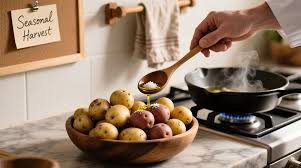
Vegetables are an essential component of a healthy diet, providing vitamins, minerals, fiber, and antioxidants that support overall health, digestion, and disease prevention. However, the method used to cook vegetables can significantly affect their nutritional value, taste, and texture. Boiling, steaming, and roasting are among the most common methods for preparing vegetables, each with its own advantages and best practices. Understanding how to properly boil, steam, and roast vegetables ensures maximum nutrient retention, optimal flavor, and appealing texture. Cooking vegetables incorrectly can result in nutrient loss, mushy texture, or bland taste, making it challenging to enjoy their full benefits. This comprehensive guide explores the techniques, tips, and considerations for boiling, steaming, and roasting vegetables properly, including the selection of vegetables, preparation, cooking times, seasoning, and health benefits.
Understanding the Importance of Proper Vegetable Cooking
Proper cooking of vegetables is crucial to retain nutrients, improve digestibility, enhance flavor, and preserve texture. Certain vitamins, especially water-soluble ones like vitamin C and B-complex vitamins, are sensitive to heat and water exposure, making overcooking or prolonged boiling detrimental. Cooking also breaks down fiber, making vegetables easier to digest, and can increase the bioavailability of some nutrients such as beta-carotene in carrots or lycopene in tomatoes. Choosing the right cooking method, maintaining optimal temperature, and monitoring cooking time are key to preparing vegetables that are both nutritious and delicious. Additionally, proper cooking enhances the palatability of vegetables, encouraging consistent consumption and supporting a healthy diet.
Selecting and Preparing Vegetables
Choosing Fresh Vegetables
The first step in proper cooking is selecting fresh, high-quality vegetables. Look for firm, vibrant, and unblemished produce, as freshness affects both taste and nutrient content. Seasonal vegetables are often fresher, more flavorful, and more nutrient-dense. Avoid vegetables with soft spots, discoloration, or signs of spoilage, as these may negatively impact the final dish.
Washing and Cleaning
Thoroughly wash vegetables under running water to remove dirt, pesticides, and bacteria. For leafy greens, soak briefly in water and rinse multiple times. Root vegetables such as carrots, potatoes, and beets should be scrubbed with a brush to eliminate soil. Proper cleaning ensures food safety and preserves the natural flavors of vegetables.
Cutting and Uniformity
Cut vegetables into uniform sizes to ensure even cooking. Smaller pieces cook faster, while larger pieces may require longer cooking times. Cutting vegetables into consistent sizes prevents some pieces from becoming overcooked while others remain undercooked, resulting in better texture and flavor. Certain vegetables, like broccoli or cauliflower florets, can be separated into bite-sized pieces, while root vegetables may be diced or sliced evenly.
Blanching (Optional)
Blanching involves briefly boiling vegetables and then immediately cooling them in ice water. This technique is especially useful for preserving color, texture, and nutrients in vegetables such as green beans, broccoli, or peas. Blanching is also helpful when preparing vegetables for freezing or for recipes that require further cooking methods like roasting or stir-frying.
Boiling Vegetables Properly
Boiling is one of the simplest methods for cooking vegetables, but it requires attention to time and water volume to preserve nutrients and texture.
Steps for Boiling Vegetables
- Use Adequate Water: Fill a pot with enough water to cover the vegetables, allowing them to cook evenly.
- Add Salt Sparingly: Adding a pinch of salt enhances flavor without excessive sodium intake.
- Bring Water to a Boil: Heat water to a rolling boil before adding vegetables to reduce cooking time and nutrient loss.
- Monitor Cooking Time: Cooking times vary depending on the vegetable. Leafy greens may require 2–3 minutes, while root vegetables like carrots or potatoes may need 10–15 minutes. Avoid overcooking to preserve texture and nutrients.
- Drain and Serve Immediately: Drain boiled vegetables promptly to prevent further cooking. Optionally, cool them quickly in ice water for salads or meal prep.
Tips for Nutrient Retention While Boiling
- Use minimal water to reduce leaching of water-soluble vitamins.
- Avoid peeling vegetables unnecessarily, as skins often contain fiber and nutrients.
- Save boiling water to use in soups or sauces to retain dissolved nutrients.
Best Vegetables for Boiling
Vegetables like carrots, potatoes, green beans, broccoli, cauliflower, and peas are suitable for boiling. Denser vegetables require slightly longer cooking times, while tender vegetables should be boiled briefly to avoid mushiness.
Steaming Vegetables Properly
Steaming is one of the best methods for retaining nutrients, color, flavor, and texture. Unlike boiling, steaming uses minimal water, reducing nutrient loss and preserving natural flavors.
Steps for Steaming Vegetables
- Prepare a Steamer: Use a steaming basket or rack over a pot with a small amount of boiling water. Ensure water does not touch the vegetables.
- Arrange Vegetables Evenly: Spread vegetables evenly in the steamer basket to allow uniform steam circulation.
- Cover and Steam: Cover the pot with a lid to trap steam. Cooking times vary depending on the vegetable, typically ranging from 3 minutes for tender greens to 15 minutes for root vegetables.
- Check for Doneness: Vegetables should be tender yet crisp, not mushy. Test with a fork or knife.
- Season and Serve: Season steamed vegetables immediately with herbs, spices, olive oil, or lemon juice to enhance flavor.
Advantages of Steaming
- Preserves water-soluble vitamins and minerals better than boiling.
- Maintains vibrant color and appealing texture.
- Reduces the need for added fats or oils, making vegetables healthier.
Best Vegetables for Steaming
Leafy greens, broccoli, cauliflower, zucchini, asparagus, and carrots are excellent choices for steaming. Harder vegetables may require slightly longer steaming times, while delicate vegetables need brief exposure to steam to maintain their quality.
Roasting Vegetables Properly
Roasting vegetables enhances flavor through caramelization, producing a sweet, nutty taste and appealing texture. Proper roasting involves controlling heat, seasoning, and oil usage.
Steps for Roasting Vegetables
- Preheat Oven: Preheat the oven to 400–450°F (200–230°C) for even cooking and proper caramelization.
- Cut Vegetables Evenly: Chop vegetables into uniform pieces to ensure consistent cooking.
- Toss with Oil and Seasoning: Lightly coat vegetables with healthy oils like olive or avocado oil and season with herbs, spices, salt, or pepper.
- Spread on Baking Sheet: Arrange vegetables in a single layer to avoid overcrowding, which can lead to steaming instead of roasting.
- Roast and Monitor: Roast vegetables, turning halfway through for even browning. Cooking times vary by vegetable, usually 20–40 minutes depending on size and density.
- Check for Doneness: Vegetables should be tender inside with golden-brown, caramelized edges.
- Serve Immediately: Serve roasted vegetables hot for the best flavor and texture.
Tips for Perfect Roasting
- Use a high oven temperature to achieve caramelization.
- Avoid excessive oil, which can make vegetables greasy and less healthy.
- Add fresh herbs or a squeeze of lemon after roasting to enhance flavor.
- Roasting works well for root vegetables like sweet potatoes, carrots, parsnips, and beets, as well as cauliflower, Brussels sprouts, and bell peppers.
Combining Cooking Methods
For optimal results, consider combining boiling, steaming, and roasting to achieve desired textures and flavors. For example, blanching vegetables briefly in boiling water before roasting can reduce roasting time while preserving color and nutrients. Similarly, steaming delicate vegetables and finishing with a quick sauté or roast can enhance flavor and texture. Combining methods allows flexibility in meal preparation and provides creative culinary options while maintaining nutritional value.
Seasoning and Flavor Enhancements
Proper seasoning enhances the taste of boiled, steamed, or roasted vegetables. Herbs, spices, citrus, garlic, and healthy oils add flavor without excessive salt or unhealthy fats. Nutritional yeast, balsamic glaze, or seeds can also provide texture and taste. Experimenting with different seasoning combinations ensures vegetables remain appealing, even for those who typically dislike their taste. Flavorful preparation encourages regular consumption, supporting overall dietary goals.
Storing Cooked Vegetables
Proper storage of cooked vegetables preserves flavor, texture, and nutrients. Store cooled vegetables in airtight containers in the refrigerator for 3–5 days or freeze for longer storage. Reheating should be done gently to avoid overcooking or nutrient loss. Batch cooking and storing vegetables in advance simplifies meal prep for busy schedules while ensuring consistent access to nutritious food.
Common Mistakes and How to Avoid Them
- Overcooking: Overcooking vegetables reduces nutrients and texture. Use timers and test doneness frequently.
- Using Excess Water: Boiling in large amounts of water can leach vitamins. Use minimal water or steaming to preserve nutrients.
- Crowding Roasting Trays: Overcrowding causes uneven cooking and steaming rather than roasting. Spread vegetables in a single layer.
- Neglecting Seasoning: Bland vegetables may reduce consumption. Season appropriately and use fresh herbs for flavor.
- Peeling Unnecessarily: Vegetable skins contain fiber and nutrients. Only peel when necessary for taste or texture.
Health Benefits of Properly Cooked Vegetables
Cooking vegetables properly enhances digestibility, preserves vitamins and minerals, and maximizes antioxidant intake. Boiling, steaming, and roasting allow incorporation of vegetables into diverse meals while retaining nutrients. Regular consumption of properly prepared vegetables supports heart health, digestive health, immune function, weight management, and chronic disease prevention. Proper cooking makes vegetables more enjoyable and encourages higher consumption, contributing to a balanced, nutrient-rich diet.
Conclusion
Boiling, steaming, and roasting vegetables properly are essential skills for maximizing flavor, texture, and nutritional value. Proper selection, cleaning, and cutting of vegetables, combined with correct cooking techniques, ensure that vegetables retain essential vitamins, minerals, fiber, and antioxidants. Steaming preserves nutrients and color, boiling offers convenience and versatility, while roasting enhances flavor and texture through caramelization. Combining cooking methods, seasoning appropriately, and storing vegetables correctly further improves culinary outcomes and supports healthy eating. By mastering these techniques and avoiding common mistakes, individuals can enjoy delicious, nutrient-dense vegetables every day, supporting overall health, wellness, and a balanced diet.